
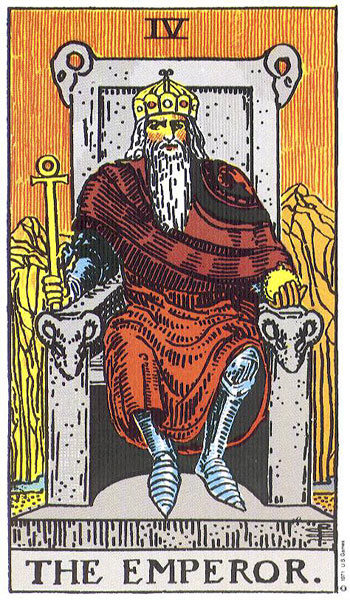
The Emperor
Upright Meaning
The upright Emperor card represents authority, order, control, and rational thinking. In love, it may indicate a stable, committed relationship where one partner (especially the male) plays the role of protector or decision-maker, but it can also suggest a relationship that is overly structured, lacking emotional flow, or in need of clearer boundaries and responsibilities. For singles, it advises attracting a partner through confidence and initiative. In career, the Emperor signifies leadership, project management, or entrepreneurial success, emphasizing the achievement of goals through discipline, strategy, and practical action—suitable for management, military, engineering, or government work. This is a favorable time to set rules, seek promotions, or solidify one's career foundation. In health, the Emperor reminds you to maintain a regular routine and manage your body, particularly concerning bones, joints (corresponding to Aries), and stress-related issues, suggesting exercise and self-discipline to sustain vitality. Overall, the upright Emperor encourages using logic, authority, and experience to build a secure and stable life structure, but one must avoid rigidity and dogmatism.
Reversed Meaning
The reversed Emperor card suggests an abuse of authority, structural collapse, or loss of control. It may manifest as tyranny, rigidity, stubbornness, or anxiety due to an inability to manage a situation. In love, the reversed Emperor can point to controlling tendencies, emotional coldness, or avoidance of responsibility in a relationship, where one partner may be overly dominant or refuse emotional investment, leading to imbalance. In career, it warns of leadership failure, chaotic rules, or projects spiraling out of control, potentially hindered by micromanagement, lack of vision, or power struggles, with caution needed regarding legal or contractual disputes. In health, the reversed Emperor indicates physical strain caused by stress, overwork, or lack of self-discipline, particularly concerning the heart, head, or worsening chronic conditions. On a deep psychological level, this card may reflect patriarchal shadows, fear of authority, or a lack of self-restraint. The reversed Emperor also suggests the need for flexibility—to uphold principles while accepting others' opinions, and to rebuild healthy order.
AI Deep Reading
A fresh reading of this card, written on the spot by AI.
Nothing is written until you ask — the reading is generated only when you tap the button.
History
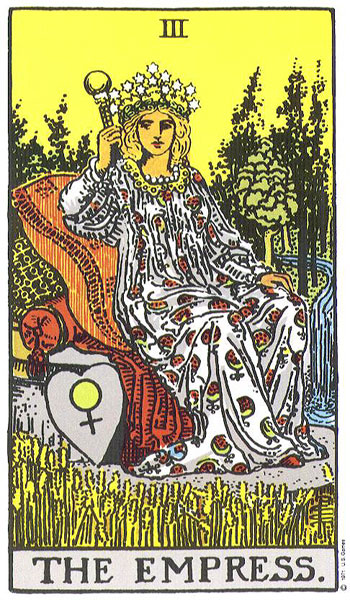
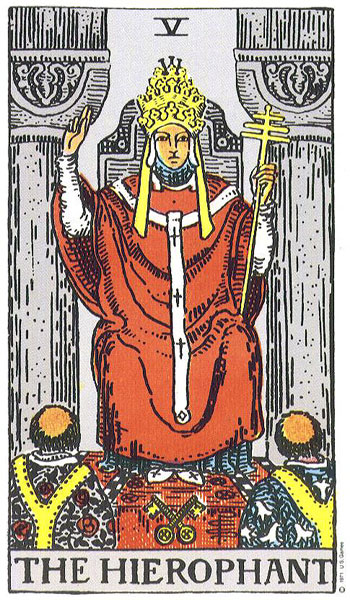
The Emperor is the fourth card of the Major Arcana in Tarot, with its imagery traceable to the Renaissance period, deeply influenced by the classical Roman Empire and medieval monarchy. In early versions such as the Marseille Tarot, the Emperor is typically depicted as an elderly ruler seated on a stone throne, holding a scepter, symbolizing worldly power and legal order. With the development of modern Tarot systems like the Rider-Waite-Smith in the late 19th to 20th centuries, the Emperor's image was further enriched, often associated with Aries (ruled by Mars) and the element of Fire, emphasizing traits of initiative, pioneering, and protection. This card embodies the ideal leader figure in patriarchal society, representing civilization, structure, and the conquest of chaos. In the Tarot sequence, it follows the Empress's abundance and leads to the Pope's spiritual authority, together forming the duality of secular and spiritual power.
Symbolism
The Emperor card is rich in symbolism: its throne is often adorned with ram’s heads, representing the assertiveness of Aries and the initiative of the fire element; in his right hand, he holds an ankh-shaped scepter, symbolizing life and sovereignty; in his left hand, he holds a globe, reflecting control over the material world. The armor and stone throne suggest defense, discipline, and a solid structure. The mountains in the background symbolize challenges and achievements, while the river represents guided emotions and resources. The overall composition presents a strict triangular structure, echoing the stability of the number IV. The Emperor’s dignified posture and forward gaze highlight reason, authority, and the role of the order-builder, signifying the shaping of reality through rules and willpower.
Advice
Leverage your authority and experience to build a solid foundation, but avoid being dogmatic. Establish clear plans and rules before taking action, and maintain discipline. If you feel a loss of control, return to core principles and respond to challenges with reason rather than emotion. Demonstrate leadership when appropriate, while also learning to listen and delegate.
Related Cards
Frequently Asked Questions
What is the difference between the Emperor card and the Empress card?
The Emperor represents masculine energy, emphasizing logic, order, authority, and external control; the Empress represents feminine energy, focusing on intuition, nurturing, creativity, and inner abundance. Together, they form a complete cycle of creation and maintenance.
Does the reversed Emperor card always represent a negative meaning?
Not absolute. The reversed Emperor may also suggest the need to break rigid thinking, respond flexibly, or liberate from excessive control. It can serve as an opportunity to adjust one's model of authority, guiding toward a more balanced way of exercising control.